Choosing Resilient Crops for England’s Changing Seasons
England’s growing conditions can vary considerably from one season to the next. A crop that thrives in a mild, damp spring may struggle if the soil stays cold or a dry spell arrives early. Choosing resilient crops is therefore less about finding a single “best” plant and more about matching crops and varieties to local conditions while keeping options open.
Start with your site
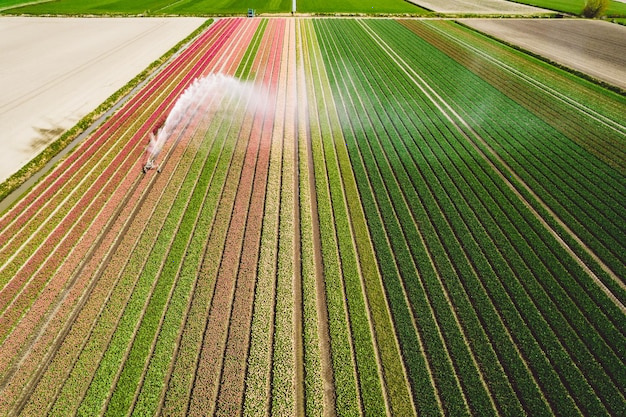
Before choosing what to grow, consider the features of the plot. Soil type, drainage, exposure, shade and access to water all influence how crops perform. A low-lying or heavy-soil site may remain wet for longer, while an exposed plot can lose moisture quickly and be more vulnerable to wind. Checking drainage and observing where water collects after rain can help identify crops and planting areas that are likely to suit the site.
It is also useful to note how the plot changes through the year. Keep a simple record of sowing and planting dates, frost damage, periods of waterlogging or dryness, and which crops produce reliably. These observations can guide future choices more effectively than relying on general recommendations alone.
Look for useful crop traits
When comparing crops and varieties, consider how well they cope with the challenges most likely on your land. Depending on the site, useful traits may include tolerance of cooler conditions, a relatively short time to maturity, resistance to common diseases, or the ability to recover after periods of stress. Check variety descriptions and seed information, and treat them as a starting point rather than a guarantee: performance can differ with soil, care and local weather.
A mix of crops with different planting and harvest times can also reduce reliance on one narrow window of favourable conditions. Some crops may suit an early sowing, while others can be planted later as the soil warms. Staggering sowings, where appropriate, can spread both workload and harvest risk.
Match planting to conditions
A calendar is useful, but soil and weather conditions matter too. Sowing into cold, saturated soil can hinder establishment, while planting into dry ground may make it harder for young plants to settle. Use local growing guidance, check the condition of the soil, and be prepared to adjust timing when seasons do not follow their usual pattern.
For crops vulnerable to late cold, choose varieties suited to the expected growing period and consider practical protection where appropriate. For crops that need warmth, wait until conditions are suitable rather than relying on a fixed date. A small trial of an unfamiliar crop or variety can help assess whether it is a good fit before dedicating a large area to it.
Build resilience into the growing system
Crop choice works best alongside good soil and water management. Adding organic matter suited to the soil can support its structure, while maintaining ground cover or using mulch can help reduce moisture loss and limit bare soil. On poorly drained ground, avoid working the soil when it is wet, as this can damage its structure.
Crop rotation can help prevent the repeated build-up of some pests and diseases. Where space allows, avoid growing the same crop family in the same place year after year, and remove diseased material appropriately. A varied planting plan can also make the plot less dependent on the success of one crop.
Review and adapt
Resilience is an ongoing process. At the end of each season, note which crops established well, which struggled, and what conditions may have contributed. Keep successful varieties in the plan, adjust sowing dates when experience suggests it, and test alternatives on a manageable scale.
By combining locally informed crop selection with flexible timing, soil care and a diverse planting plan, growers in England can make their plots better prepared for variable seasons without relying on one crop or one set of weather conditions.