Sustainable Soil Care for Productive Gardens
Healthy soil supports strong root systems, steady plant growth and productive gardens. Sustainable soil care focuses on improving the soil’s structure and fertility over time, while protecting the life and resources it depends on. For gardens in England, this means adapting care to local soil conditions and the changing wet and dry periods of the year.
Understand the soil before improving it
Soils vary considerably, even within a single garden. Some are heavy and hold water; others drain quickly and may need more organic matter to retain moisture. Before adding amendments, check the soil’s texture, drainage and pH. A soil test can also help identify nutrient needs and prevent unnecessary applications.
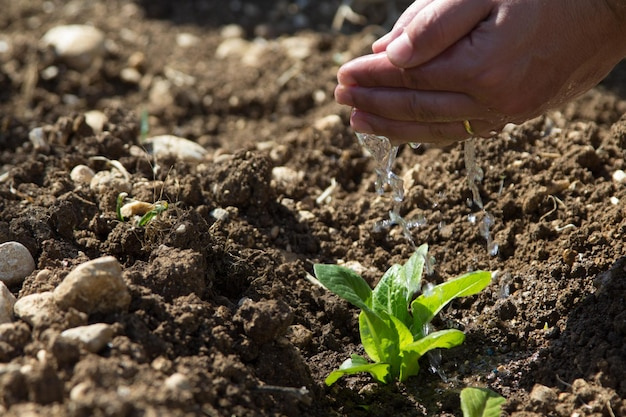
Observe how water moves across the garden after rain. Persistent pooling may indicate compaction or poor drainage, while soil that dries quickly may benefit from improved structure and careful watering. Avoid working soil when it is waterlogged, as this can damage its structure.
Add organic matter thoughtfully
Compost and well-rotted organic matter can improve soil structure, support soil organisms and help regulate moisture. Add suitable material to the surface or mix it into the upper layer where appropriate. Choose clean, mature compost from a reliable source, and avoid adding more than the soil and plants need.
Peat-free compost and growing media are a practical choice for reducing reliance on peat. When using compost or manure, consider its intended use and maturity: fresh manure can harm plants, so it should be well rotted before it is applied to growing areas.
Keep soil covered
Bare soil is more exposed to erosion, compaction and moisture loss. A layer of organic mulch can protect the surface, suppress weeds and gradually contribute organic matter as it breaks down. Keep mulch away from plant stems and trunks, and adjust its depth to suit the crop and conditions.
Cover crops, also known as green manures, can protect unused beds between growing periods. Choose a suitable crop for the season and soil, then cut it back before it sets seed or becomes difficult to manage. Leave the cut material on the surface or incorporate it according to the needs of the next crop.
Reduce unnecessary disturbance
Digging can be useful for specific tasks, but frequent or deep disturbance may disrupt soil structure and organisms. Where practical, use a no-dig or reduced-dig approach: add compost to the surface, remove persistent weeds carefully and avoid walking on growing beds. Defined paths help limit compaction.
If soil is compacted, address the cause as well as the symptoms. Improving drainage, keeping traffic off beds and adding organic matter may help over time. Avoid trying to work compacted soil when it is wet.
Plan crops and nutrients
Crop rotation helps prevent the same plants from drawing on the same part of the soil year after year. It can also make it easier to manage pests and diseases. In smaller gardens, rotation can be adapted to the space available by grouping crops with similar needs and changing their locations when possible.
Match fertiliser use to the plants and soil. More is not always better: excess nutrients can harm plants and may be washed away during heavy rain. Follow product guidance and use soil-test results where available.
Use water efficiently
Water deeply when plants need it rather than applying small amounts frequently. Watering at the base of plants can reduce evaporation and keep foliage drier. Collecting rainwater, where practical, can provide a useful supply for garden use. Mulch and healthy soil structure also help the ground hold moisture.
Sustainable soil care is a continuing process rather than a one-time task. By observing the garden, adding organic matter carefully, protecting the soil surface and limiting unnecessary disturbance, gardeners can support productive growing conditions season after season. Greenlandgreenary Horticulture can use these principles as a foundation for thoughtful horticultural practice.