Water-Wise Growing Practices for Healthier Plants
Plants need consistent access to moisture, but more water is not always better. Water-wise growing focuses on putting water where plants can use it, reducing losses from evaporation and runoff, and matching care to the needs of each crop. These practices can support healthier growth while making better use of available water.
Start with the soil
Soil condition affects how well water reaches and stays around roots. Check the soil before watering: the surface can look dry while the root zone is still moist. For garden beds, inspect the soil a short distance below the surface. For containers, check near the drainage holes as well as at the top.
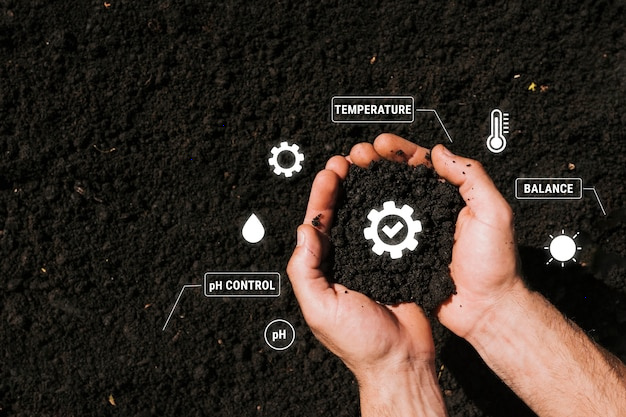
Improving soil with suitable organic matter can help many soils retain moisture and support a better structure. The right approach depends on the soil and crop, so avoid adding material without considering drainage and plant requirements. Heavy, waterlogged soil may need better drainage rather than more moisture-retaining material.
Water roots, not leaves
Apply water slowly at the base of plants so it can soak into the root zone. A gentle flow is less likely to run off compacted or sloping ground. Drip lines, soaker hoses and watering cans with a directed spout can help deliver water close to roots.
Watering the soil rather than foliage also keeps leaves drier, which can be useful where prolonged leaf wetness encourages plant disease. If using a hose or irrigation system, check that water is reaching the intended area and that fittings are not leaking.
Choose the right time and amount
Water when plants need it rather than following a fixed schedule. Weather, soil type, plant size, growth stage and container size all affect how quickly soil dries. Newly planted crops and seedlings may need closer attention while their roots establish; established plants may be able to draw moisture from a wider area.
Watering earlier in the day can reduce losses from evaporation and gives foliage time to dry if it becomes wet. Apply enough to moisten the active root zone, then allow excess water to drain. Frequent, shallow watering can encourage roots to remain near the surface, so adjust the method to the crop and growing conditions.
Reduce evaporation
A layer of organic mulch can slow moisture loss from the soil and limit weed growth. Keep mulch clear of stems and plant crowns, and check soil moisture beneath it before watering. Mulch can conceal dry or overly wet soil, so it should not replace regular inspection.
Weeds compete with crops for water. Removing them while they are small can reduce that competition and make watering more effective. In beds exposed to strong wind or sun, suitable shelter may also help reduce moisture loss, provided it does not restrict airflow or create excessive shade.
Make container growing more efficient
Containers often dry out faster than garden beds, especially in warm or windy conditions. Choose containers with drainage holes and use a growing medium suited to the plants. Grouping pots with similar water needs can make checks and watering easier.
Check containers regularly, as their moisture can change quickly. If water runs straight through a very dry growing medium, apply it gradually, allowing it time to soak in. Do not leave pots standing in water for extended periods unless the plant’s growing requirements call for it.
Capture and manage available water
Where practical and permitted, collected rainwater can be used for watering plants. Keep storage containers covered and secure, and use the water in a way that is appropriate for the crop and collection system. Follow any local restrictions or guidance that apply during dry periods.
In England, conditions can vary between locations and seasons. Keep an eye on the weather and any current water-use restrictions, and prioritise watering newly planted crops and plants showing signs of stress. Avoid watering simply because a routine says it is time.
Watch plants and adjust
Wilting can indicate a lack of water, but it can also result from heat, root damage or waterlogged soil. Check the soil before responding. Yellowing leaves, slow growth and persistently wet compost may point to excess moisture or poor drainage rather than a need for more watering.
A simple record of recent watering, rainfall and plant responses can help refine routines over time. By observing both soil and plants, growers can provide moisture when it is needed, avoid waste and create more reliable conditions for healthy growth.